UToledo Grad Birdel Jackson Honored for Lifetime Achievement
Birdel Jackson ’68 was 17 years old when his dream to attend college took flight.
During the fall of his senior year in high school in New York, a University of Toledo recruiter visited campus and announced that students needed an average of 85 out of 100 to qualify for a meeting with the recruiter. Jackson had an 84.5. He showed up anyway.
When the school counselor questioned his presence, the recruiter asked to see his transcript and SAT scores. On the spot, the representative confirmed Jackson would qualify for admission. A few months later, in February 1963, he was accepted.
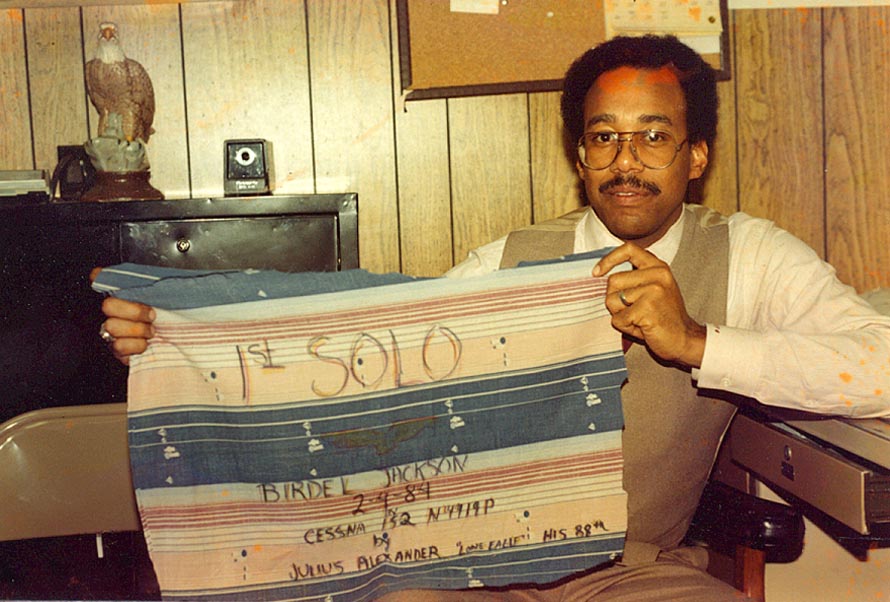
“I just made the cutoff for the dorm space,” Jackson recalled. He was placed in a four-man room in Dowd Hall (demolished in 2013), where the student body was more than 6,000. His engineering professors became mentors. Dean Otto Zmeskal, professors David Colony and Edward Saxer, and Associate Dean Edward Garrison shaped not only his academic experience but his identity as a young professional.
As a freshman, Jackson found friendship and purpose among a group of fellow New Yorkers. By sophomore year, Jackson joined the Omega Psi Phi Fraternity. He soon realized the fraternity could build something bigger. By his senior year, the group had grown large enough to petition for an official undergraduate chapter. With that, Omega Epsilon was founded, a chapter that remains active to this day.
Inside and outside the classroom, Jackson was discovering what he truly enjoyed. He worked alongside classmates like Robert Phillips and Silas Tarver ‘67. He spent a formative summer as a surveyor for the City of Toledo Public Works Department. There, he met Ted Parr ‘47, the city’s first black civil engineering graduate from UToledo. “I admired the professional engineering certificate displayed above his desk,” Jackson said. Parr became a mentor, driving him to job sites and offering advice on career advancement.
As his engineering skills advanced, Jackson never lost sight of an earlier passion: flying.
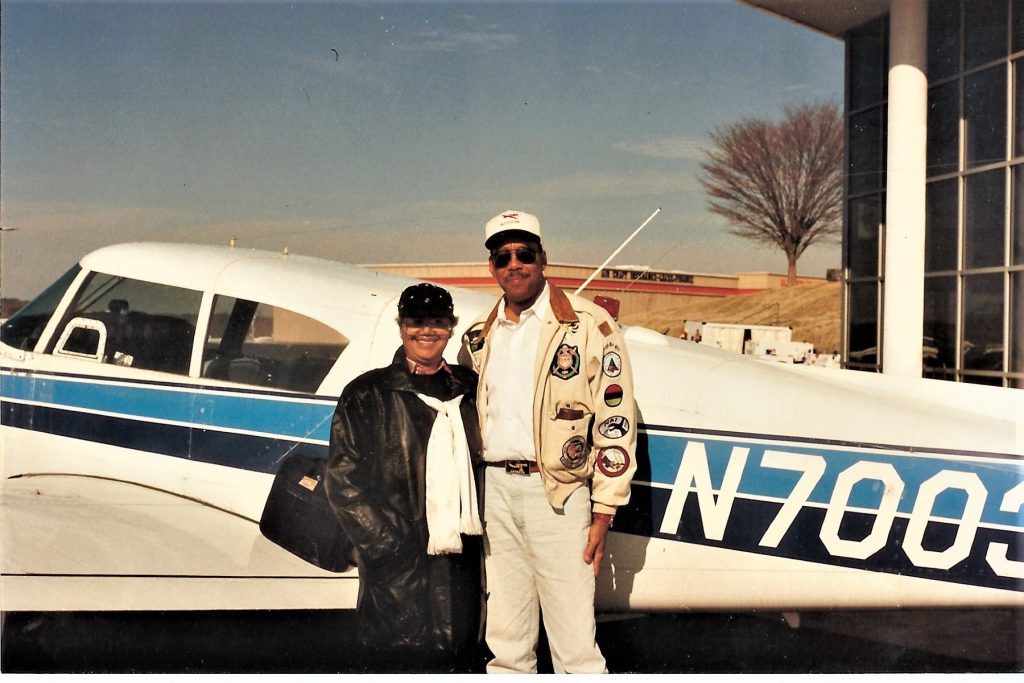
His mother introduced him to aviation when he was eight. She had been part of the U.S. Navy Scale Model Aircraft Club in high school, and her stories sparked his imagination.
“As a freshman at UToledo, I registered for Army ROTC with the aspiration to fly in the military. Unfortunately, in 1965 due to a medical issue, I was not accepted which temporarily halted my dream of flying,” said Birdel.
Jackson graduated from The University of Toledo in Jan. 1968 with a degree in Civil Engineering and accepted a position with American Bridge, a division of U.S. Steel. Just two weeks into the role, he was notified that he had passed the 16-hour exam to become a licensed professional engineer in the State of Ohio.
Over the next several years, Jackson moved through a series of influential roles from engineering posts in Washington, D.C. to leadership positions in municipal and private-sector infrastructure projects.
Engineering remained his anchor. Jackson eventually founded his own firm, B&E Jackson and Associates, after acquiring the Atlanta office of architect Charles Fleming. His firm would go on to work with municipalities, colleges, the Department of Transportation and even the U.S. Department of Defense. They helped shape the master plan for Georgia Tech ahead of the 1996 Olympic Games, providing civil engineering for rowing, soccer and other Olympic venues.
As Jackson’s company grew, he looked to hire black civil engineers but found too few candidates. In response, he deepened his involvement with the Dual Degree Engineering Program at Clark Atlanta University. In 2000, he established the Jackson Davis Foundation Civil Engineering Incentive Scholarship, named in honor of his grandparents who funded his own education. To date, the foundation has awarded 58 scholarships to aspiring civil engineers.
His commitment to mentoring extended into aviation.
Encouraged by a Tuskegee Airman, Jackson joined the Civil Air Patrol, became a squadron commander and logged dual instruction hours. In his forties, he earned his private pilot’s license.
He introduced his daughter to flying at age 11 and brought middle schoolers from Atlanta to the runway through the Black Pilots of America (BPA), an organization founded by Tuskegee Airmen. In 1999, he was named BPA’s “Top Gun,” and in 2025, he was inducted into their Hall of Fame.

He is a fellow of the American Society of Civil Engineers, the 2025 Georgia Civil Engineer of the Year as named by the American Society of Civil Engineers – Georgia Chapter, a life member of both Omega Psi Phi and the National Association for the Advancement of Colored People, and has served on alumni boards and national trustee roles at The University of Toledo. He holds a master’s degree in civil engineering from Georgia Tech and has worked on bridges, airports, highways, and utility systems across the Southeast.
“I had mentors who guided me,” Jackson said. “I’m just passing that forward.”
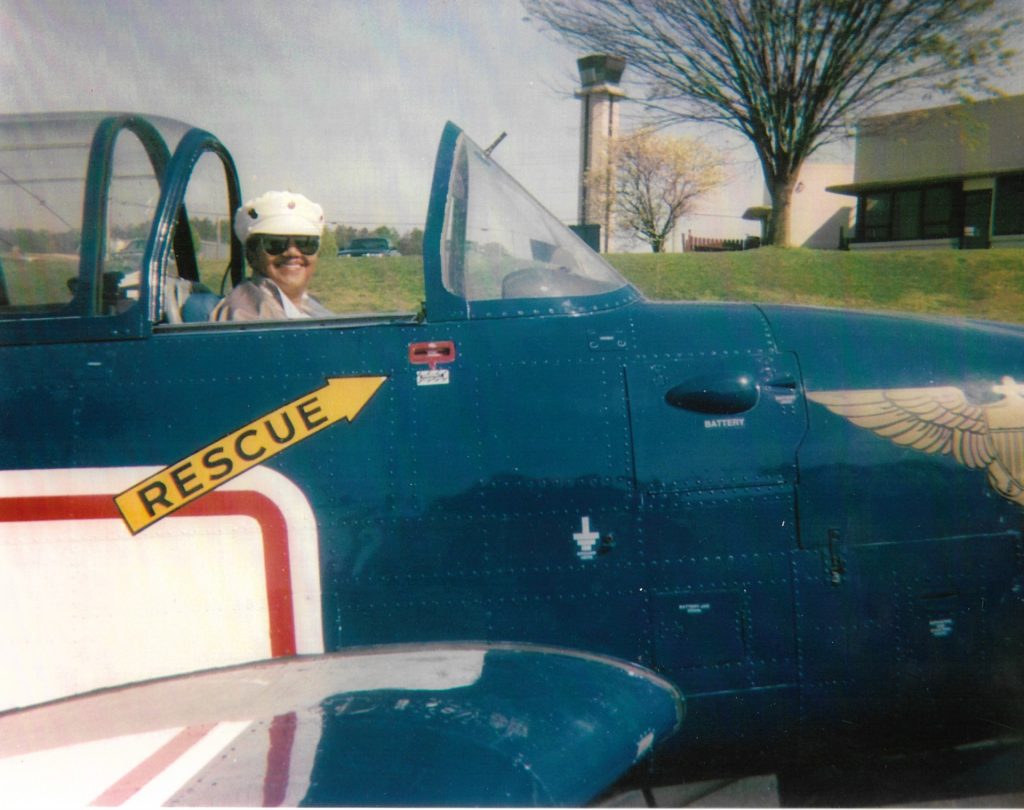
Jackson continues to consult, volunteer and advocate for educational and civic causes. He encourages young people, especially Black students interested in engineering and aviation to pursue licensure, seek out mentors and power forward with confidence.